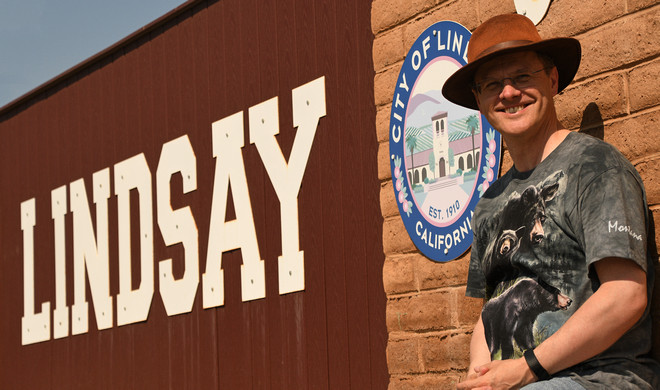
I am so pleased you decided to stop by and have a browse around my website.
Several years ago, I was sitting in Manchester airport and had just started my holiday read when the announcement came across the tannoy that our flight had been delayed. As I sighed and looked down to continue reading, I was immediately struck by a short paragraph that has stayed with me:
“Once a journey is designed, equipped, and put in process, a new factor enters and takes over. A trip, a safari, an exploration, is an entity, different from all other journeys. It has personality, temperament, individuality, uniqueness. A journey is a person in itself; no two are alike. And all plans, safeguards, policing, and coercion are fruitless. We find after years of struggle that we do not take a trip; a trip takes us.”
‘Travels with Charley’, John Steinbeck
These words described our predicament so well and indeed, what should have been a six-hour trip then turned into a three-day expedition but, after the frustrations are over and we take the time to look back, it is those stories we remember.
After that, I discovered that the same is true of our lives as much as our travels, they too are journeys with personality, temperament, individuality and uniqueness.
My photographic journey started more than thirty years ago when I arrived at university. The first thing I did with my grant money – yes, in those days they paid you to go – was to buy a few necessary books from the required reading list followed immediately by my first camera; a Pentax ME for the princely sum of £45.00.
I have since migrated to Nikon and I have never stopped taking photographs but it was only after my journey changed my perspective that I discovered the difference between taking photographs and photography:
“It is my belief that photography – like any other medium for communicating information, concepts, stories, and emotions – can serve many expressive purposes and that its validity is determined by context, rather than by some technical quality. To require that all photographs should be factual and literal is as silly as to require that all writing should be factual and literal. Just as readers can derive different meanings from factual and fictional accounts, viewers of photographs can make similar distinction between representational and creative images. While the aim of photojournalism is to communicate facts, in the words of Aristotle, ‘The aim of art is to represent not the outward appearance of things, but their inward significance.’”
When you look at my photographs, it is my hope that you see not only the image but some of that inward significance; that it makes you ask questions about the moment, the subject and even about yourself.
I hope that you may even see a little of me and my journey in them too.
Please enjoy,
Lindsay